
Friday, April 22, 2011


Tuesday, August 17, 2010
Viewing of Rare Works at the Picasso Museum in Barcelona

Directory of the
Michael Schwartz and Pepe Serra, the Director of the

Picasso, Las Meninas, 1957 Velazquez, Las Meninas, 1656
One of the highlights of the day was the newest exhibition revealing the erotic ukiyo-e Japanese woodblock prints which influenced Picasso’s later works.

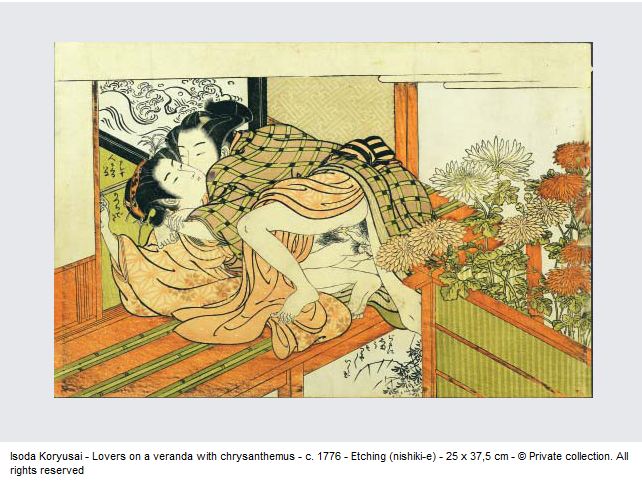
“Picasso never parted with any of his Japanese prints. It would not be surprising, then, if they had proved to be a source of inspiration at one time or another. Whilst he always shunned any show of exoticism, in the last years of his life Picasso devoted himself, with total freedom, to representing scenes of sexuality, as though in exorcism of approaching death. The drawings and prints of those final years are every bit as bold as the shunga prints with which they establish a compositional and stylistic dialogue.” - Museu Picasso of
The
Later in the tour, Michael and Serra lectured on many topics including those as the Vollard suite and La Celestines; many of these prints which you can find at Galerie Michael today such as the ones shown below.


Picasso, La Celestine, 1968 Picasso, Portrait of Vollard, II, 1937
Wednesday, July 29, 2009
Michael Schwartz Lectures at Bowers Museum!
 This past weekend July 25, 2009 our very own Michael Schwartz lectured on "The Origins of Rembrandt's Etchings" at the Bowers Museum. (Michael Schwartz, Galerie Michael, discusses Rembrandt’s creative genius using the medium of etching as a major liberation of 17th century art. He will also examine the history of etching and how it replaced engraving.)
John Villarino's (a close friend of Galerie Michael) extensive Rembrandt Collection is currently on exhibition at the Bowers Museum in Santa Ana:
Sordid and Sacred: The Beggars in Rembrandt's Etchings
July 11 - August 23, 2009

Featuring 35 rare etchings by Rembrandt Van Rijn made between 1629 and 1654, Sordid and Sacred: The Beggars in Rembrandt?s Etchings focuses on a subject the artist frequented in his formative years: the beggar. Rembrandt's images document and humanize the vagrant population living in 17th century Dutch society that considered these individuals repulsive and outcast. Often using biblical subjects and narratives, Rembrandt draws parallels in many of the etchings between the plight of the homeless and derelict, and figures such as Joseph, Mary and Jesus. Each etching on paper executed in a style closer to drawing than engraving portrays individualism, character and emotion of each figure rendered, beckoning the viewer's empathy and compassion.